

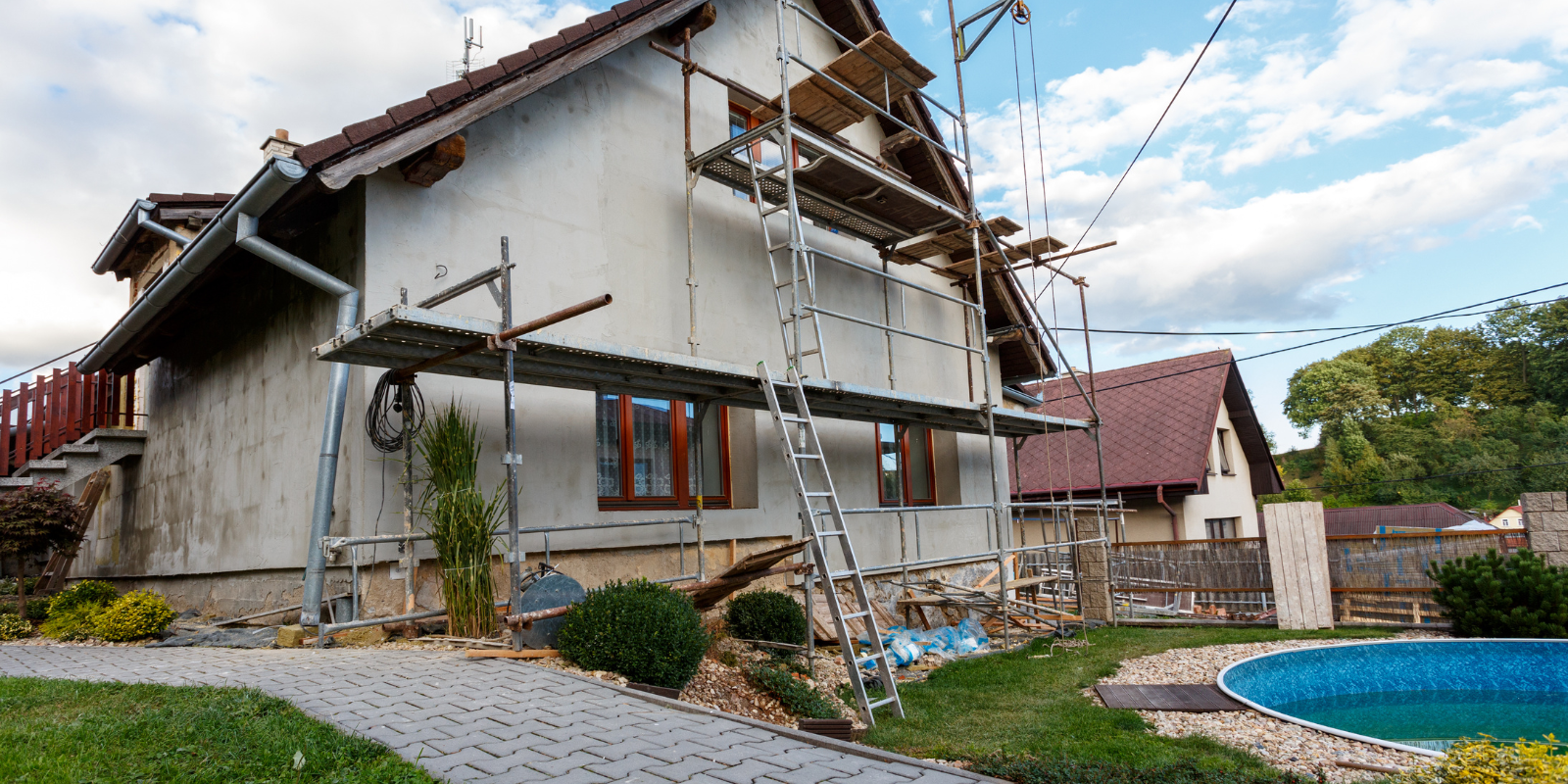
Winter brings colder temperatures, increased rainfall and stronger winds, all of which can put additional pressure on residential properties. A proactive Property Maintenance Ealing plan can help homeowners and landlords identify problems early and keep their buildings safe, comfortable and functional throughout the colder months. The Bearded Property provides professional property maintenance support for Ealing properties, helping clients address everyday maintenance requirements and prepare their homes for seasonal challenges.
For landlords in particular, regular maintenance is an important part of protecting a property and providing tenants with a suitable living environment. The Bearded Property can help homeowners and landlords identify areas that may require attention, from heating systems and plumbing to roofs, gutters and general repairs. A thorough winter checklist makes it easier to organise maintenance before minor problems become costly emergencies.
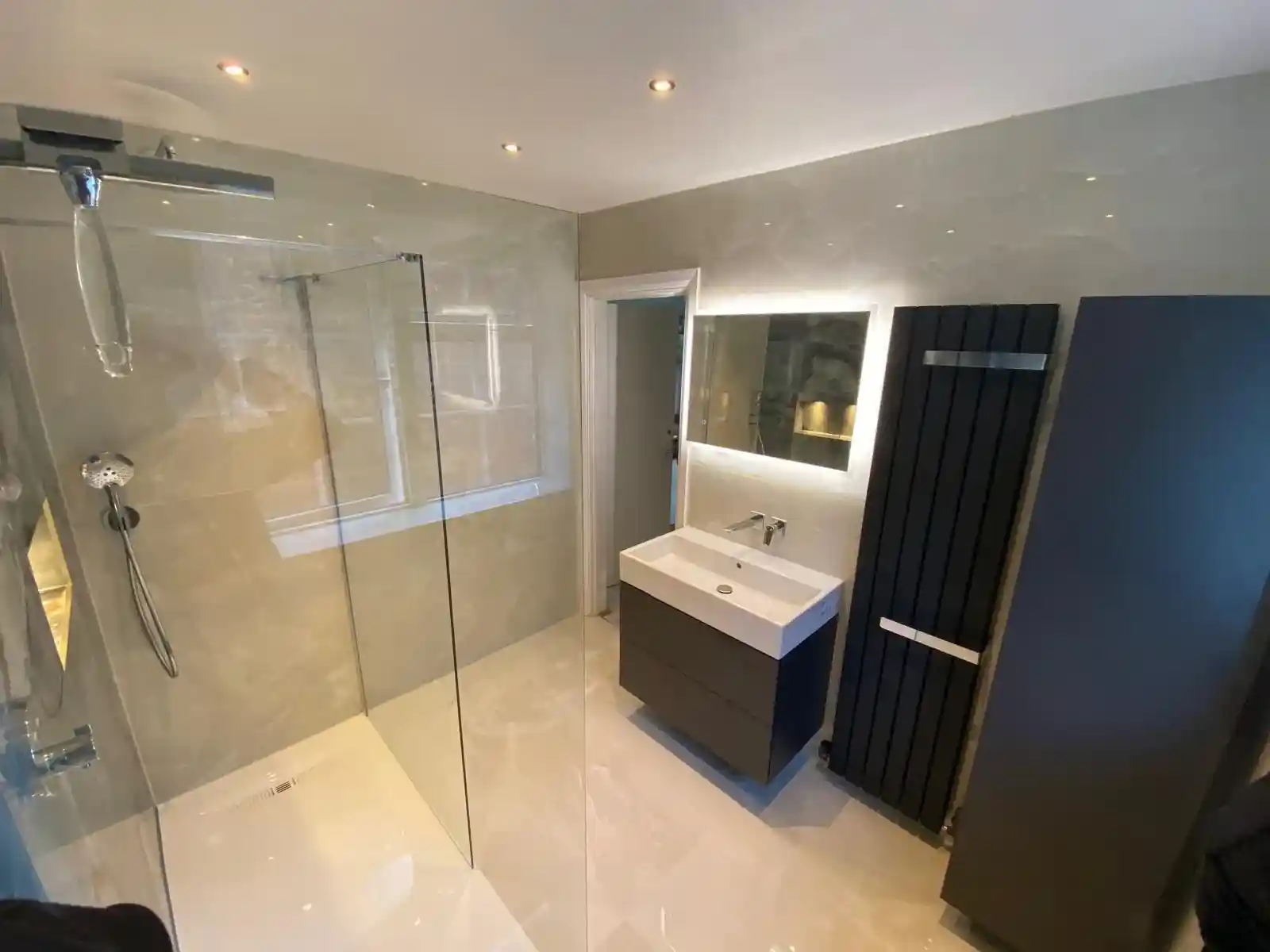
Why Is Winter Property Maintenance Important?
Cold and wet weather can expose weaknesses that may have gone unnoticed during warmer months. Blocked gutters can overflow, roof defects can allow rainwater into the property, and poorly maintained heating systems may fail when they are needed most.
Regular Property Maintenance Ealing can help reduce these risks by encouraging homeowners and landlords to inspect important areas before winter conditions become severe.
Preventative maintenance can also help extend the lifespan of building components and reduce the likelihood of unexpected repair bills. Rather than waiting for a leak, heating failure or damp problem to occur, property owners can take action before issues become more disruptive.
1. Check the Heating System
Heating is one of the most important areas to inspect before winter. A boiler or heating system that has been unreliable during the year should not be ignored.
Check that:
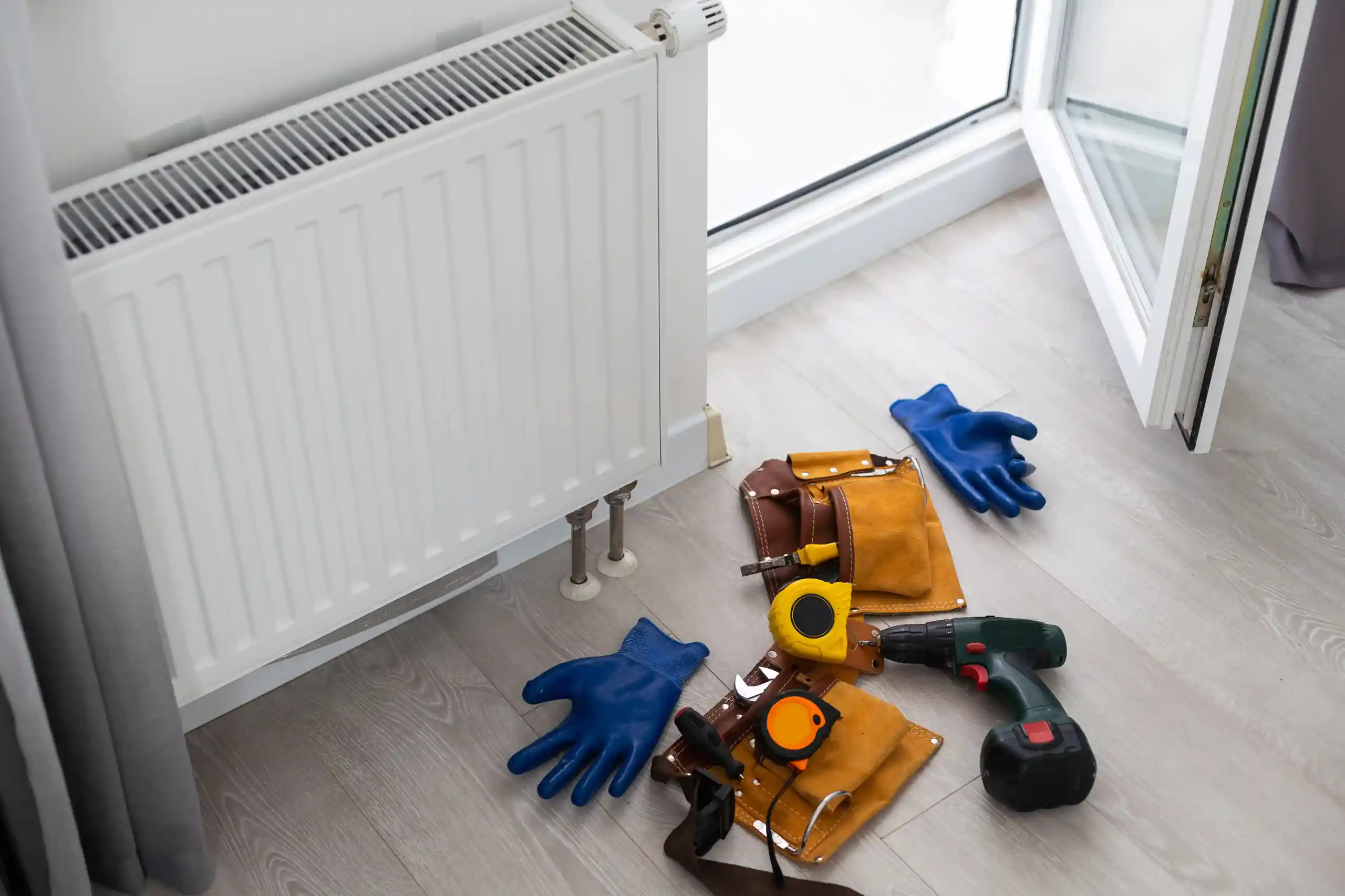
- Radiators heat up correctly
- Thermostats and heating controls work
- The boiler operates normally
- There are no unusual noises or smells
- Pipes and visible connections show no signs of leaks
- Hot water is available as expected
If the heating system develops a fault, arrange professional assistance rather than attempting complex repairs yourself. Gas appliances should only be serviced or repaired by appropriately qualified professionals.
Landlords should also make sure heating-related problems reported by tenants are dealt with promptly.
2. Inspect the Roof
Winter rainfall and strong winds can make existing roof defects worse. Before the coldest weather arrives, inspect the roof from a safe position for obvious signs of damage.
Look for:
- Missing or damaged tiles
- Loose slates
- Deteriorated flashing
- Damaged chimney areas
- Sagging sections
- Excessive moss or vegetation
You should avoid climbing onto the roof without suitable equipment and training. A professional inspection is safer when there are concerns about inaccessible or damaged areas.
Addressing small roofing defects early is an important part of Property Maintenance Ealing because it may help prevent water from entering the building.
3. Clear Gutters and Downpipes
Autumn leaves, twigs and other debris can accumulate in gutters, particularly around properties with nearby trees. If gutters become blocked, rainwater may overflow onto walls, fascias and other parts of the property.
Check that gutters:
- Are free from leaves and debris
- Are securely attached
- Do not have visible cracks or holes
- Drain water correctly
- Have unobstructed downpipes
Gutters should ideally be checked before winter and again if significant debris accumulates during the season.
4. Look for Damp and Leaks
Winter rainfall can reveal problems with roofs, windows, walls and plumbing. Inspect ceilings, walls and accessible areas for signs of moisture.
Warning signs include:
- Brown or dark stains
- Peeling paint
- Mould growth
- Damp smells
- Bubbling wallpaper
- Wet patches
- Deteriorating plaster
Landlords should encourage tenants to report damp and leaks as soon as they notice them. Delaying repairs can allow moisture to spread and potentially increase the cost and complexity of remedial work.
5. Check Windows and Doors
Poorly sealed windows and doors can allow cold draughts and moisture into a property. Check seals, frames and locks before winter.
Look for cracked or deteriorated sealant around window frames. Draughty doors may also benefit from replacement seals or appropriate draught-proofing.
Improving the condition of windows and doors can make a property more comfortable while potentially reducing unnecessary heat loss.
6. Inspect Plumbing and External Pipes
Cold temperatures can create additional risks for exposed plumbing. Check visible external pipes for damage, leaks or inadequate insulation.
Where appropriate, exposed pipework should be suitably protected against freezing conditions. If a pipe bursts or develops a significant leak, shut off the water supply if it is safe to do so and arrange professional assistance.
Inside the property, check under sinks and around appliances for signs of leaking connections or moisture.
7. Check Insulation and Ventilation
Good insulation can help maintain indoor temperatures and reduce unnecessary heat loss. Before winter, check accessible loft insulation and look for areas that appear damaged, compressed or displaced.
Ventilation is equally important. Blocking ventilation openings can contribute to condensation and moisture problems. Kitchens and bathrooms should have suitable ventilation to help remove excess humidity.
For landlords, maintaining a balance between energy efficiency and adequate ventilation can help create a healthier and more comfortable property for tenants.
8. Inspect External Walls and Masonry
Rain and freezing temperatures can affect damaged masonry, pointing and exterior surfaces. Look for cracks, deteriorating mortar, damaged render and areas where water may enter.
Not every crack indicates a serious structural problem, but significant or worsening cracks should be professionally assessed.
Keeping external walls in good condition forms another important element of Property Maintenance Ealing, particularly for older buildings exposed to years of changing weather conditions.
9. Test Safety Equipment
Winter is a good time to check household safety equipment. Make sure smoke alarms and carbon monoxide alarms are functioning correctly and that batteries are replaced when necessary.
Carbon monoxide is particularly important in properties with fuel-burning appliances. Never ignore an alarm or attempt to investigate a suspected carbon monoxide issue yourself. Leave the property if necessary and seek appropriate professional assistance.
Landlords should ensure that required safety checks and responsibilities are fulfilled in accordance with applicable regulations.
10. Create a Seasonal Maintenance Schedule
A simple maintenance schedule can help homeowners and landlords stay organised.
Before winter: Inspect the roof, clear gutters, check heating, examine windows and look for plumbing issues.
During winter: Monitor heating performance, check for leaks after heavy rainfall and respond quickly to tenant maintenance reports.
After severe weather: Inspect accessible areas for storm damage, including roofing, gutters, fences and external surfaces.
Keeping records of inspections and repairs can also help landlords manage recurring problems and plan future maintenance.
Frequently Asked Questions
How often should a property be inspected during winter?
The frequency depends on the property’s age, condition and type. A thorough inspection before winter, followed by checks after severe weather, can help identify emerging problems.
What should landlords check before winter?
Landlords should pay particular attention to heating, hot water, plumbing, roofs, gutters, windows, insulation, ventilation and safety equipment.
Can blocked gutters cause property damage?
Yes. Blocked gutters can cause rainwater to overflow and potentially affect external walls, fascias, soffits and other parts of a building.
How can I prevent winter plumbing problems?
Check visible pipes for leaks or damage and appropriately protect exposed pipework where necessary. Deal with existing plumbing issues before freezing temperatures arrive.
When should I call a professional?
Professional assistance is recommended for significant leaks, heating faults, roof damage, electrical problems, structural concerns and any work requiring specialist qualifications or working at height.
Conclusion
A well-planned winter maintenance routine can help Ealing homeowners and landlords protect their properties from avoidable damage and unexpected emergencies. Checking heating systems, roofs, gutters, plumbing, windows, insulation and safety equipment before winter provides an opportunity to address minor issues early. By incorporating regular Property Maintenance Ealing into your property care routine, you can improve reliability, comfort and long-term building condition throughout the colder months.
Contact The Bearded Property
Phone: 02080509389
Email: info@mrplumbsingh.co.uk
Address: 85 Uxbridge Road, Ealing, W5 5BW
