

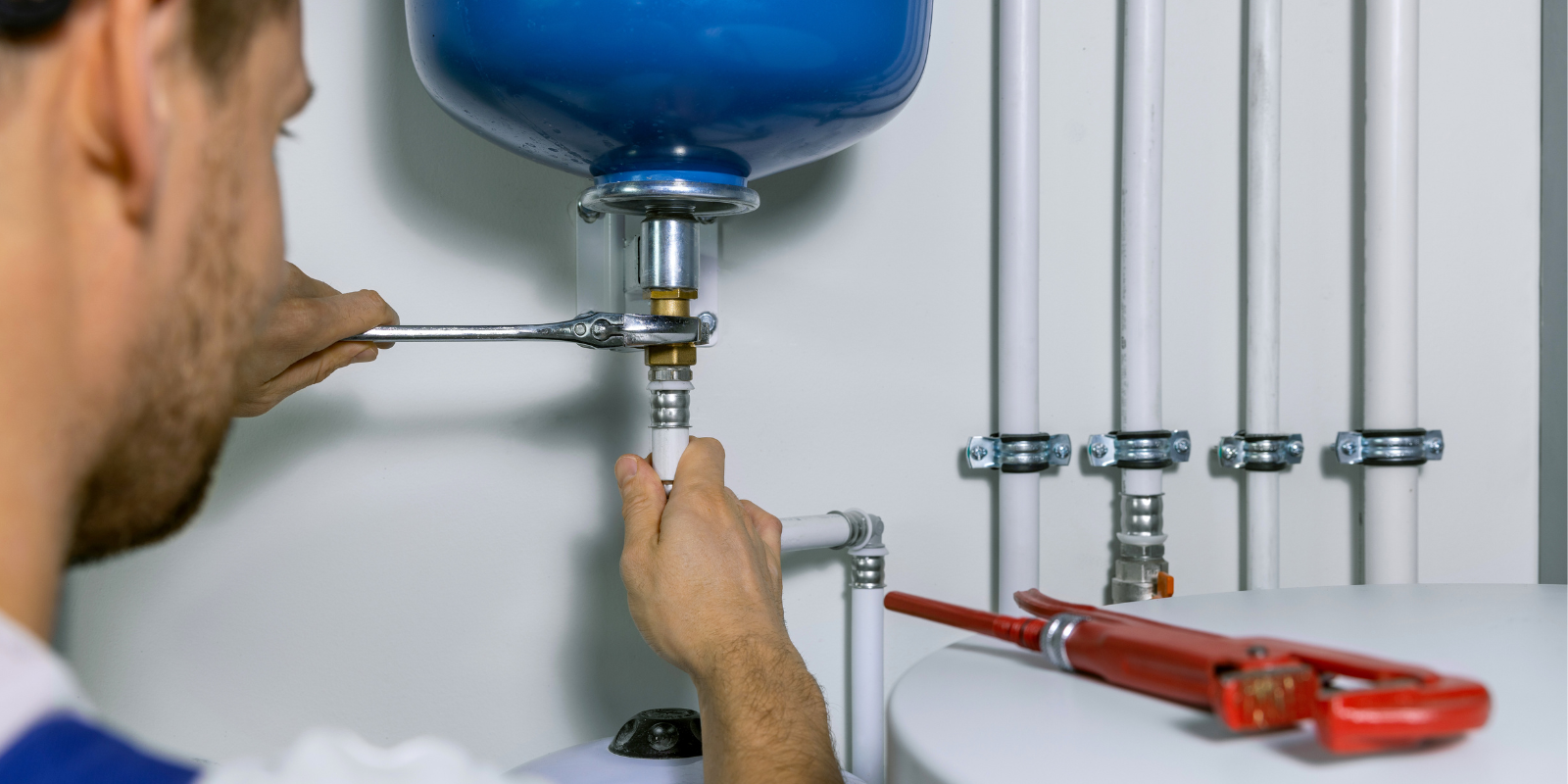
Winter temperatures can put additional pressure on household plumbing, particularly when exposed pipes become extremely cold. A frozen pipe can restrict water flow and, if the water inside expands, potentially cause the pipe to crack or burst. Having access to an Emergency Plumber Ealing service can provide valuable support when a serious plumbing problem occurs. The Bearded Property helps homeowners and landlords deal with property maintenance and plumbing-related issues when urgent assistance is required.
Prevention is generally easier than dealing with extensive water damage after a pipe bursts. The Bearded Property recommends taking a few practical precautions before freezing weather arrives, including checking exposed pipework, improving insulation, maintaining suitable indoor temperatures and knowing where the main water stopcock is located.
Why Do Pipes Freeze in Winter?
Water expands when it freezes. If water inside a pipe freezes, the resulting pressure can increase significantly, particularly between the ice blockage and a closed tap or another obstruction.
Pipes located in unheated areas are generally more vulnerable. These can include:
- Loft spaces
- Garages
- External walls
- Basements and cellars
- Under kitchen sinks
- Outbuildings
- Areas close to external doors
A frozen pipe does not always burst immediately. However, the pressure created by freezing water can eventually damage the pipe, and the resulting leak may only become obvious after the ice begins to thaw.
1. Insulate Exposed Pipes
One of the simplest preventative measures is insulating vulnerable pipework. Pipe insulation can help reduce the speed at which water inside the pipe loses heat.
Pay particular attention to pipes located in unheated or poorly insulated areas. Suitable insulation should be fitted correctly without interfering with valves, fittings or other components.
Before winter, inspect existing insulation for gaps, deterioration or areas where it has become loose. Replacing damaged insulation can help improve protection against freezing temperatures.
2. Keep Your Home Warm
Maintaining a reasonable indoor temperature during periods of cold weather can help reduce the risk of freezing pipes, particularly where pipework runs through parts of the property that are normally heated.
If you are going away during winter, avoid switching the heating off completely when freezing conditions are expected. Instead, use an appropriate frost-protection or low-temperature setting if your heating system has one.
Landlords should also remind tenants about the importance of maintaining adequate heating and reporting plumbing concerns promptly.
3. Protect Pipes in Unheated Areas
Pipes in lofts, garages and other unheated spaces can be especially vulnerable.
Check whether cold air can enter through gaps around doors, windows or other openings. Improving insulation around the building can help maintain a more stable temperature.
However, ventilation requirements should not be blocked simply to keep an area warmer. If you are unsure how to protect plumbing while maintaining appropriate ventilation, professional advice can help.
4. Know Where Your Stopcock Is
Every homeowner should know where the main internal water stopcock is located. It controls the incoming water supply to the property.
If a pipe bursts, shutting off the water quickly can help limit the amount of water escaping while you wait for professional assistance.
Common locations include:
- Under the kitchen sink
- Near the point where the water supply enters the property
- In a utility room
- Near the boiler or heating system in some properties
Check that the stopcock can be turned and is not seized. Knowing its location before an emergency occurs can save valuable time.
5. Leave Cabinet Doors Open During Severe Cold
During periods of particularly low temperatures, opening the doors underneath kitchen or bathroom sinks can allow warmer household air to circulate around pipework.
This can be especially useful when plumbing runs against an external wall.
However, this is a supplementary precaution rather than a replacement for proper insulation. Vulnerable pipes should still be appropriately protected.
6. Keep an Eye on Your Heating and Plumbing
Unusual changes in water pressure, reduced water flow, dripping taps or strange noises from pipes can sometimes indicate an emerging plumbing problem.
Pay attention to areas where condensation, dampness or small leaks have previously occurred. Existing weaknesses can become more problematic during winter.
Addressing a minor plumbing issue early may prevent it from developing into a much larger emergency.
7. What to Do If a Pipe Freezes
If you suspect that a pipe has frozen, turn on the affected tap slightly. This can provide an outlet for water as the ice melts.
If the frozen pipe is accessible, warming the area gradually may help thaw it. Never use an open flame, blowtorch or other direct high heat because this can create a fire risk and potentially damage the pipe.
If you cannot safely identify or thaw the pipe, contact a qualified professional. A professional Emergency Plumber Ealing service can assess the situation and determine the safest course of action.
8. What to Do If a Pipe Bursts
A burst pipe requires quick action.
First, turn off the main water supply using the stopcock if you can do so safely. Then switch off the electricity supply if water has reached electrical outlets, appliances or other potentially hazardous areas. Do not touch electrical equipment while standing in water.
Move furniture, valuables and other belongings away from the affected area where possible.
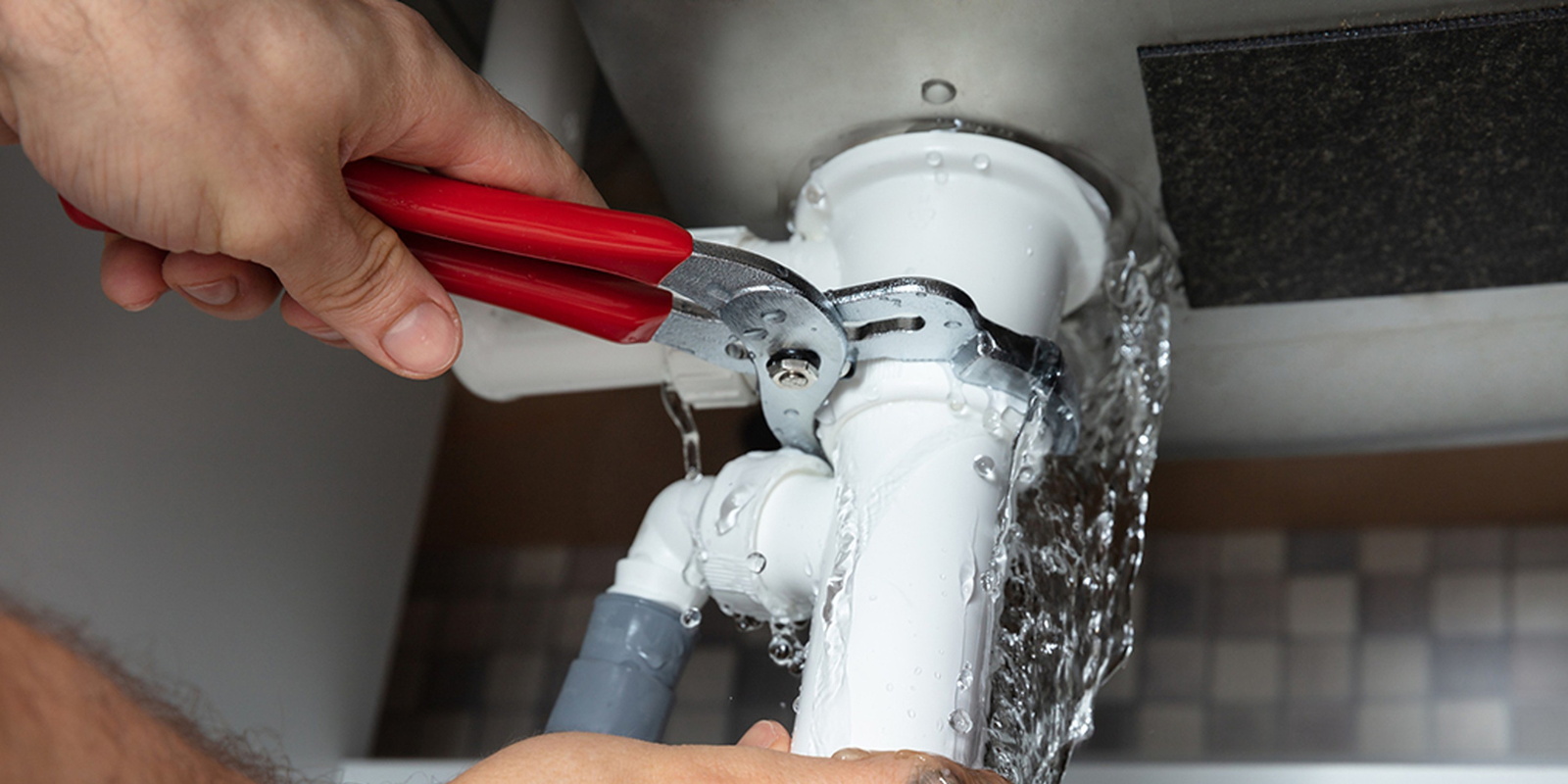
Next, contact a qualified plumber. An Emergency Plumber Ealing can help locate the source of the leak, isolate the damaged section and carry out the necessary repair.
After the immediate leak has been controlled, the affected areas should be dried thoroughly to reduce the risk of persistent damp and mould.
9. Check Outdoor Taps and Pipework
Outdoor taps and exposed pipework should also be considered before winter. If your property has an outdoor tap with an internal shut-off valve, closing the internal supply and draining the exposed section can help reduce the risk of freezing.
Check external pipework for existing cracks, loose connections or leaks before temperatures fall.
If you are unsure whether an outdoor water system has been properly isolated, professional assistance can help.
10. Don’t Ignore Small Leaks
A small dripping or leaking pipe may appear inconvenient rather than urgent, but it should not automatically be ignored.
Persistent leaks can waste water and gradually damage surrounding materials. Damp areas can also create conditions that encourage mould growth.
If you notice recurring moisture, unexplained water stains or a persistent leak, arrange an inspection before winter conditions make the issue worse.
When Should You Call an Emergency Plumber?
Not every plumbing issue requires an emergency response. However, urgent professional assistance is appropriate when there is:
- A burst water pipe
- Rapidly escaping water
- A major leak that cannot be isolated
- Significant flooding
- Water entering electrical areas
- A serious loss of water supply
- A frozen pipe that appears damaged
- A leak that threatens the structure or contents of the property
An Emergency Plumber Ealing can assess the situation, help minimise water damage and carry out appropriate repairs.
Frequently Asked Questions
Why do pipes burst when they freeze?
When water freezes, it expands and can create pressure inside a closed section of pipe. This pressure may eventually cause the pipe to crack or burst.
Which pipes are most likely to freeze?
Pipes in unheated areas such as lofts, garages, external walls and outbuildings are generally more vulnerable to freezing.
Should I leave my heating on when I go away?
During freezing weather, completely switching off the heating can increase the risk of cold areas and frozen pipework. Use an appropriate low-temperature or frost-protection setting where available.
What should I do if a pipe bursts?
Turn off the main water supply as quickly as possible if it is safe to do so, keep away from electrical hazards and contact a qualified emergency plumber.
Can I thaw a frozen pipe with a blowtorch?
No. Open flames and direct high heat can create a serious fire hazard and damage plumbing. Frozen pipes should be thawed gradually and safely.
Conclusion
Preparing your plumbing before winter can significantly reduce the risk of frozen and burst pipes. Insulating exposed pipework, maintaining suitable indoor temperatures, protecting vulnerable areas and knowing where your stopcock is can all make a difference. If a serious plumbing emergency does occur, contacting an Emergency Plumber Ealing promptly can help limit damage and restore your water system safely.
Contact The Bearded Property
Phone: 02080509389
Email: info@mrplumbsingh.co.uk
Address: 85 Uxbridge Road, Ealing, W5 5BW, UK.
